Filling the power vacuum – Vuelta a Espana Race Preview
No Contador or Froome at Spanish Grand Tour for first time since 2010


View Original
View Original
View Original
View Original
View Original
View Original

View Original
It may still be three weeks long, contain 3,275 kilometres of racing, and offer up nine summit finishes, but the 2018 Vuelta a España will be very different to most of the previous decade's editions.
Vincenzo Nibali: Yes, I'm going to ride the Vuelta a Espana
Adam Yates changes plans and heads to Vuelta a Espana
Viviani leads Quick-Step Floors at Vuelta a Espana
Peter Sagan confirmed for Vuelta a Espana
George Bennett and Kruijswijk to lead LottoNL-Jumbo at Vuelta a Espana
Pinot feeling fresh for Vuelta a Espana challenge
When the Vuelta's riders begin rolling down the start ramp of Málaga's opening eight-kilometre time trial late in the afternoon of August 25, the two stars who have shaped the race the most in the last decade – 2017 winner Chris Froome (Team Sky) and the now-retired Alberto Contador – will not be among their number.
Froome, having won the Vuelta last year and ridden two Grand Tours already this season, is sitting out the Spanish three-week race for the first time since 2013, while Contador, having won the Vuelta three times – and caused Froome to lose the race in 2014 and 2016 – signed off his career with a memorable solo win at the rain-drenched summit of the Angliru last September.
So where does the abrupt absence of two of the biggest names in modern Grand Tour racing history leave the Vuelta? The answer has to be that, following Froome's domination of the 2017 Vuelta almost from start to finish, this summer the battle to wear la roja on Madrid's final podium on September 16 looks like being a much less one-sided affair. Or one-and-a-half-sided if you could count Contador as a GC contender last year after his early crisis in Andorra.
Top favourites in this year's very open Vuelta a España GC battle will undoubtably come from the Movistar team, whose much-lauded triumvirate of Mikel Landa, Nairo Quintana and Alejandro Valverde notably failed to dent the Team Sky hegemony at the Tour de France in this July.
Even though Landa's absence due to injury was confirmed on Monday, for all it will decapitate the host nation's GC challenge for the Vuelta, the 'Blues' will nevertheless still be aiming for outright victory with Quintana.
Valverde, presumably, will be gunning for an early spell in the red leader's jersey, as well as for stage wins, but it should not be forgotten that, together with Quintana (2016), Fabio Aru (2015) and Vincenzo Nibali (2010), the man from Murcia is one of the race's four former winners who will line up in Málaga on Saturday.
The latest race content, interviews, features, reviews and expert buying guides, direct to your inbox!
Even at the ripe old age of 38, rivals – and perhaps teammates – should rule Valverde out at their peril.
Given the scale of the opposition, Movistar will need all their firepower to take their first Grand Tour since Quintana's Vuelta victory in 2016.
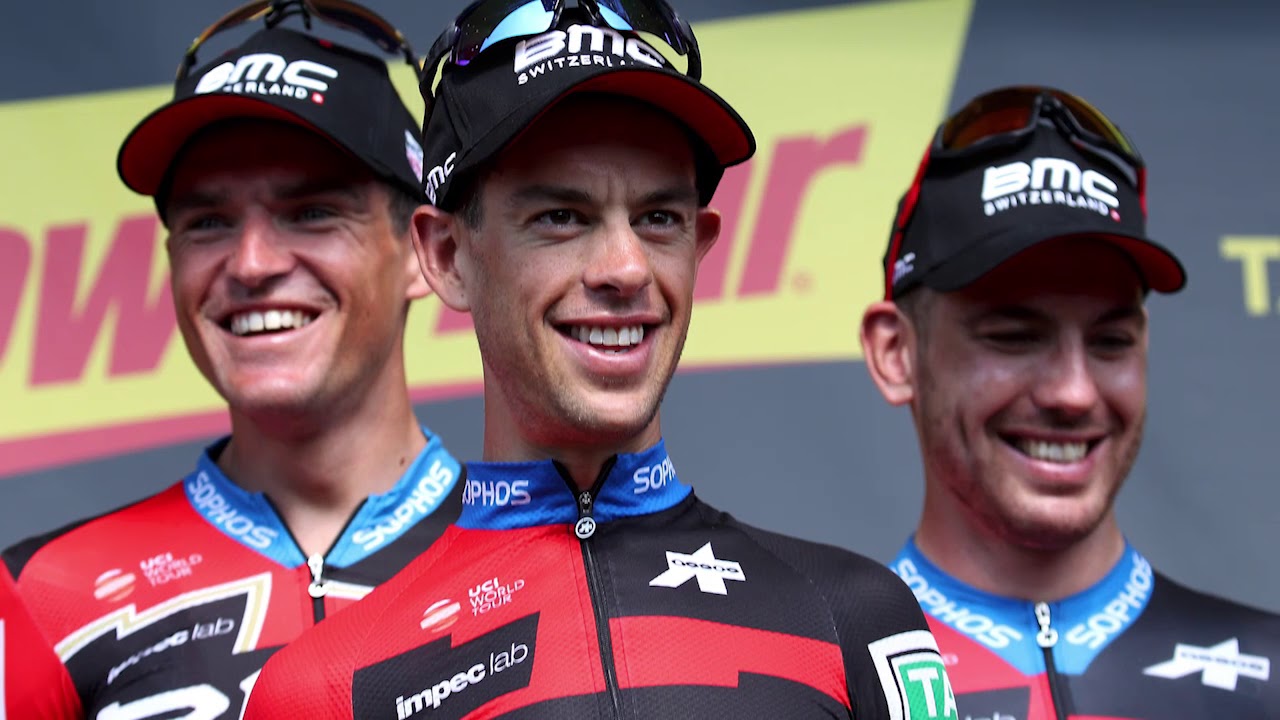
BMC Racing's Richie Porte, UAE Team Emirates' Aru, and Bahrain-Merida's Nibali – injuries and Worlds plans notwithstanding – as well as Astana's Miguel Angel Lopez, Steven Kruijswijk (LottoNL-Jumbo), Jakob Fuglsang (Astana) and Rigoberto Urán (EF Education First-Drapac) are, on paper, Movistar's most dangerous challengers in what looks to be a fascinatingly complex, multi-sided GC battle.
Other challengers could well include LottoNL-Jumbo's George Bennett, Wilco Kelderman (Sunweb), Rafal Majka and Emanuel Buchmann (BORA-Hansgrohe), Trek-Segafredo's Bauke Mollema, Ilnur Zakarin (Katusha-Alpecin), and, potentially, Michael Woods (EF Education First-Drapac).
Last, but not least, as Aru is nominally their GC man, UAE Team Emirates' Dan Martin is never content to just sit in the bunch and watch the kilometres tick by. Indeed, the Irishman's first Grand Tour stage win came on La Covatilla in 2011 – one of the two Hors-Catégorie summit finishes at this year's Vuelta.
As for the main GC contenders, Porte and Nibali are on the rebound from injuries sustained at the Tour de France, but have already had successful seasons with victories at the Tour de Suisse and Milan-San Remo, respectively. Aru, meanwhile, is keen to put his hugely disappointing Giro behind him in a race that effectively made his name when he toppled Tom Dumoulin from the lead back in 2015.
The upcoming World Championships invariably loom large over the Vuelta each September, and this year, given the Innsbruck circuit's very hilly profile, even more so than usual.
Valverde, Simon Yates (Mitchelton-Scott) and Thibaut Pinot (Groupama-FDJ) are just three of the many riders whose GC battle plans, should they materialise, sit more or less comfortably alongside their desire to shine on an unusually favourable Worlds route, and they'll want to test their climbing legs in Spain at the very least.
Adam Yates (Mitchelton-Scott) will tackle the Vuelta as a support rider for his brother Simon, but a crack at the rainbow jersey in Austria could well be at the back of his mind, too. The ultra-difficult Worlds course has helped draw others to Spain, including Michal Kwiatkowski (Team Sky), Rohan Dennis (BMC) and current world champion Peter Sagan (Bora-Hansgrohe).
Of the other fast finishers definitely confirmed for the Vuelta, new European road race champion Matteo Trentin (Mitchelton-Scott), Nacer Bouhanni (Cofidis), LottoNL-Jumbo's Danny Van Poppel and Italian champion Elia Viviani (Quick-Step) are the most likely to dominate in the race's unusually high number of finishes – at least for the Vuelta – of up to seven or eight stages that should come down to a bunch sprint.
The route
Is this a flatter Vuelta, then? Well, no one would ever say a modern-day Vuelta a España route favours the time triallists or all-rounders, but the race's opening week is certainly less difficult than other recent editions.
In fact, as the Vuelta wends its way northwards from Málaga, the heat of southern Spain may well prove to be as big a challenge as the (relatively) scant number of climbs.
It's true that there's a short, punchy stage finish as soon as stage 2 to Caminito del Rey, and that the summit finish to Alfacar on stage 4 is a relentlessly long, draggy ascent that could catch a few GC names napping. Stage 5, too, across the plateaus and hills of eastern Andalucia is far harder than it looks on paper. But it's entirely likely that the real Vuelta GC battle won't kick off until stage 9's lengthy climb of La Covatilla – just like back in 2011 when the Vuelta last visited the westerly ski station.
Such a straightforward start makes for a very different ball game, then, to the 2017 Vuelta's ultra-mountainous trek through Andorra on stage three, for example.
This year's second week cranks up the Vuelta's toughness with a vengeance, though, starting with an incursion deep into hilly Galicia, followed by a triple whammy of summit finishes at La Camperona, Praires and the Vuelta's most emblematic summit finish, the Lagos de Covadonga, on stage 15.
Week three puts the ball briefly into the time triallists' court with stage 16's technical, rolling 32-kilometre course at Torrelavega. But the most decisive final challenges come in the shape of the new climb to Balcon de Bizkaia on stage 17, and two stages with summit finishes in the Andorran Pyrenees.
These kick off with the ascent to Naturlandia on stage 19, then conclude with the most difficult day of the entire Vuelta – a shark's tooth profile of non-stop climbing on stage 20, culminating with the climb of the fearsomely steep first-category Coll de la Gallina.
After that, following a long transfer across to Madrid, all that remains is a largely ceremonial sprint stage through the Spanish capital, where it will be time to see who has managed to fill the power vacuum left by Contador and Froome.
If you've ever wanted to know what it feels like to be part of a top-level cycling team, and to be on the ground, inside the barriers, at the Tour de France, then RUNNING WITH WOLVES will take you there. It is available to rent for $3.99 USD or buy for $6.99 USD.
You can also still purchase our first two films, THE HOLY WEEK and CRESCENDO, on Vimeo.
RUNNING WITH WOLVES from Cyclingnews Films on Vimeo, produced by La Pédale and a special thanks to Quick-Step Floors.

Alasdair Fotheringham has been reporting on cycling since 1991. He has covered every Tour de France since 1992 bar one, as well as numerous other bike races of all shapes and sizes, ranging from the Olympic Games in 2008 to the now sadly defunct Subida a Urkiola hill climb in Spain. As well as working for Cyclingnews, he has also written for The Independent, The Guardian, ProCycling, The Express and Reuters.
Latest on Cyclingnews
-
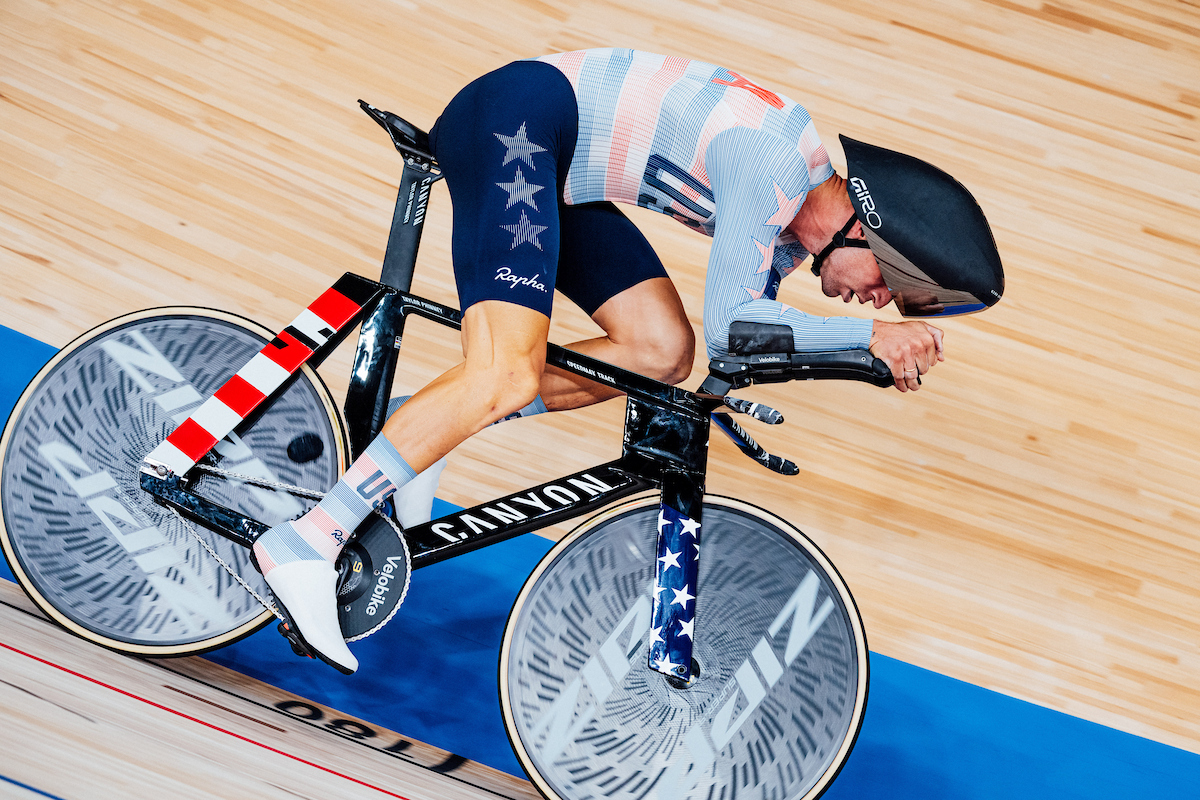
'Lemon still has juice to squeeze' - Taylor Phinney clocks new personal best for Individual Pursuit at UCI Track World Championships
Phinney finishes eighth behind Italy's Jonathan Milan -

Sigma Sports Warehouse Sale – Save an extra 10% with our exclusive discount code
These Sigma cycling deals already have massive reductions and will sell out, so grab a bargain while you can -
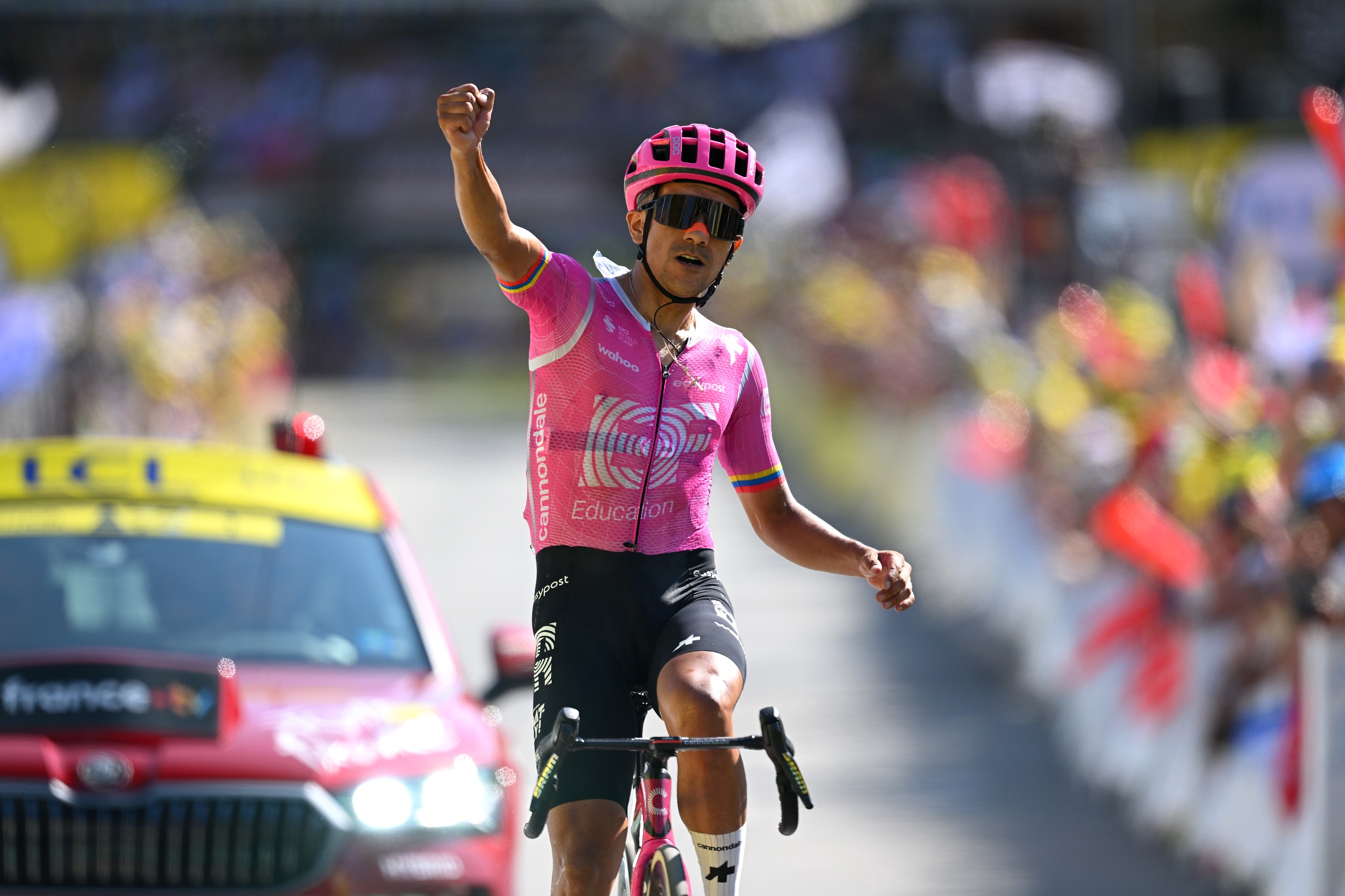
Richard Carapaz breaks EF Education-EasyPost contract to sign for NSN
Ecuadorian rider signs three-year deal in 'a significant moment for our team and an important milestone in the development of our sporting project' -
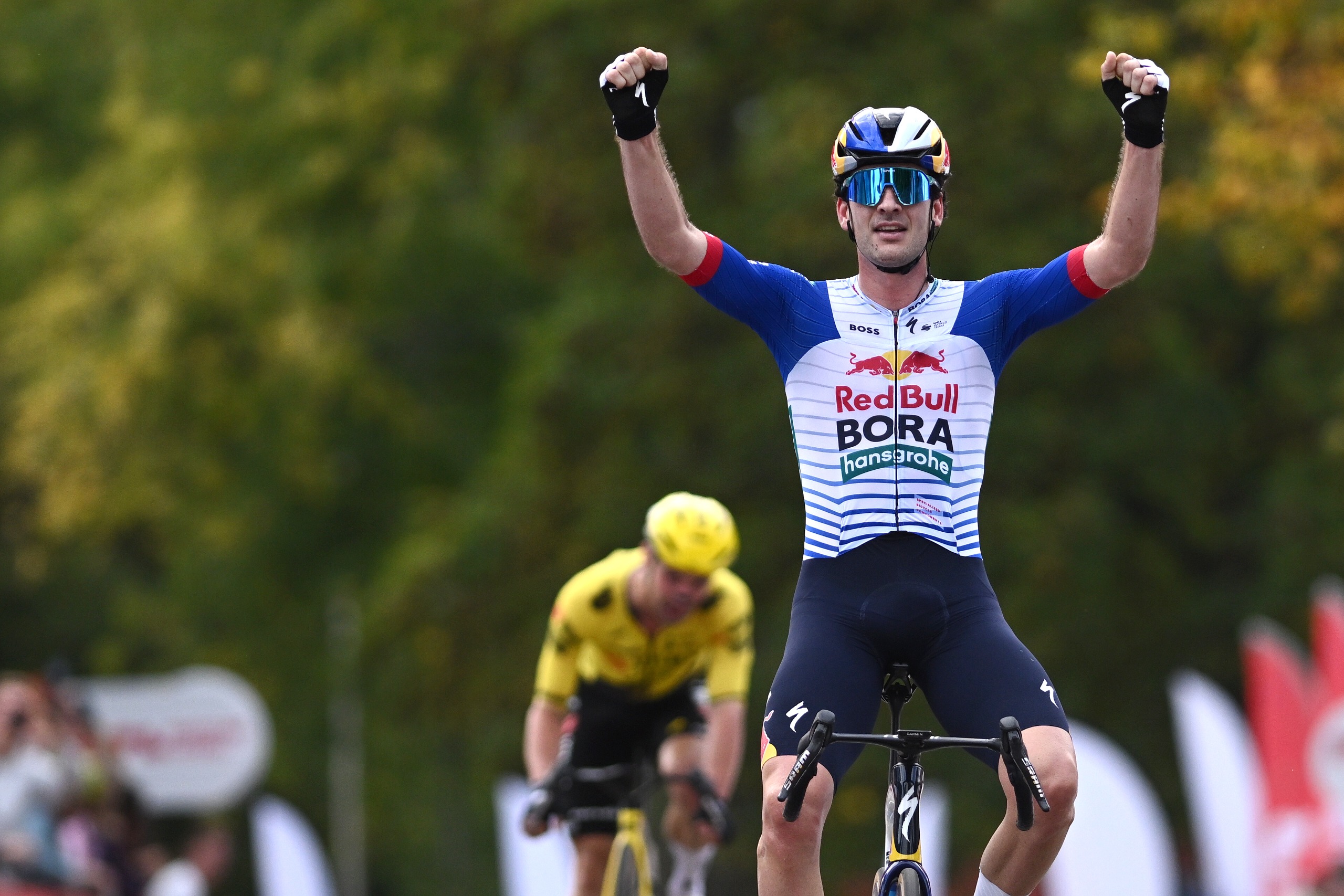
Eneco Tour: Mick van Dijke nets maiden pro win as Victor Campenaerts moves into race lead on breathless stage 3
Dutch and Belgian riders combine in breakaway to share prizes in Watersley


