


Stage 4: Dunkerque to Calais
Date: July 5, 2022
Distance: 172km
Article continues belowStage timing: 13:15 - 17:15 CEST
Stage type: Hilly
After a rest day and a transfer to Northern France, the Tour de France is back in its home country for stage 4. Though starting and finishing on the North Sea coast, the stage from Dunkerque to Calais mainly takes place inland. Six classified climbs will give the breakaway something to fight for and could see the polka-dot jersey change hands at the end of the day. The stage begins and ends at sea level but is characterised by barely any flat terrain at all, beyond the first 30km and final 10km.
The peloton heads south from Dunkirk inland and there is an air of the spring classics about the first part of the route as it takes place in French Flanders. The first climb, the Côte de Cassel, is cobbled; the other climbs are on asphalt roads. It comes after just 30km and if the breakaway is not settled by this point, it could provide the ideal launching pad for any rider with an eye on escaping the bunch.
From there, the route turns west. There is an intermediate sprint at 63.2km which offers points for the green jersey contenders, as the race heads into an undulating section featuring four category four climbs within the space of just over 50km. The toughest of these is the Côte de Nielles-lès-Bléquin - 1.1km of climbing at an average gradient of 7%.
If raced at a high pace, this series of climbs in quick succession could see some of the pure sprinters dropped in favour of the punchier, classics-style sprinters - think Wout van Aert (Team Jumbo-Visma), Mathieu van der Poel (Alpecin-Fenix), Peter Sagan (Team Total Energies) and Mads Pedersen (Trek-Segafredo).
With 24km to go, the race reaches the uncategorised Côte d’Opale on the Channel coast. The Côte de Cap Blanc-Nez is the final difficulty on the way to Calais, cresting with 10.8km to go. This might be enough time for the bunch to come back together before the finish line, given the final 10km is basically flat, but the prevailing southwesterly winds would mean a tailwind to the finish which might help the breakaway.
Another possibility is a slight change in wind direction which could bring tail-crosswinds that would wreak havoc in the peloton and create gaps among the GC contenders, whose teams will need to fight to keep their leaders in contention. Despite all that, another big sprint is the most likely outcome.
The contenders for the stage, should it go to a sprint finish, will be the same riders who have contested the last two stages. Fabio Jakobsen (QuickStep-AlphaVinyl) and Dylan Groenewegen (Team BikeExchange-Jayco) have won a sprint apiece, with Wout van Aert second on both occasions. Peter Sagan has been in the mix too, looking back to his belligerent best.
Caleb Ewan (Lotto Soudal) has been missing from the action in the final few hundred metres for the past two days and will be looking to rectify that, as will Mads Pedersen. The Dane failed to make an impact on home soil and will be in the hunt, along with Alpecin-Fenix' Jasper Philipsen who also left Denmark empty-handed.
Alberto Dainese (Team DSM), Danny van Poppel (Bora-Hansgrohe), Hugo Hofstetter (Arkea-Samsic), Alexander Kristoff (Intermarche-Wanty-Gobert) and Max Walscheid (Cofidis) all represent decent outside chances, and could cause an upset for the favourites, should the probably bunch sprint materialise.
-
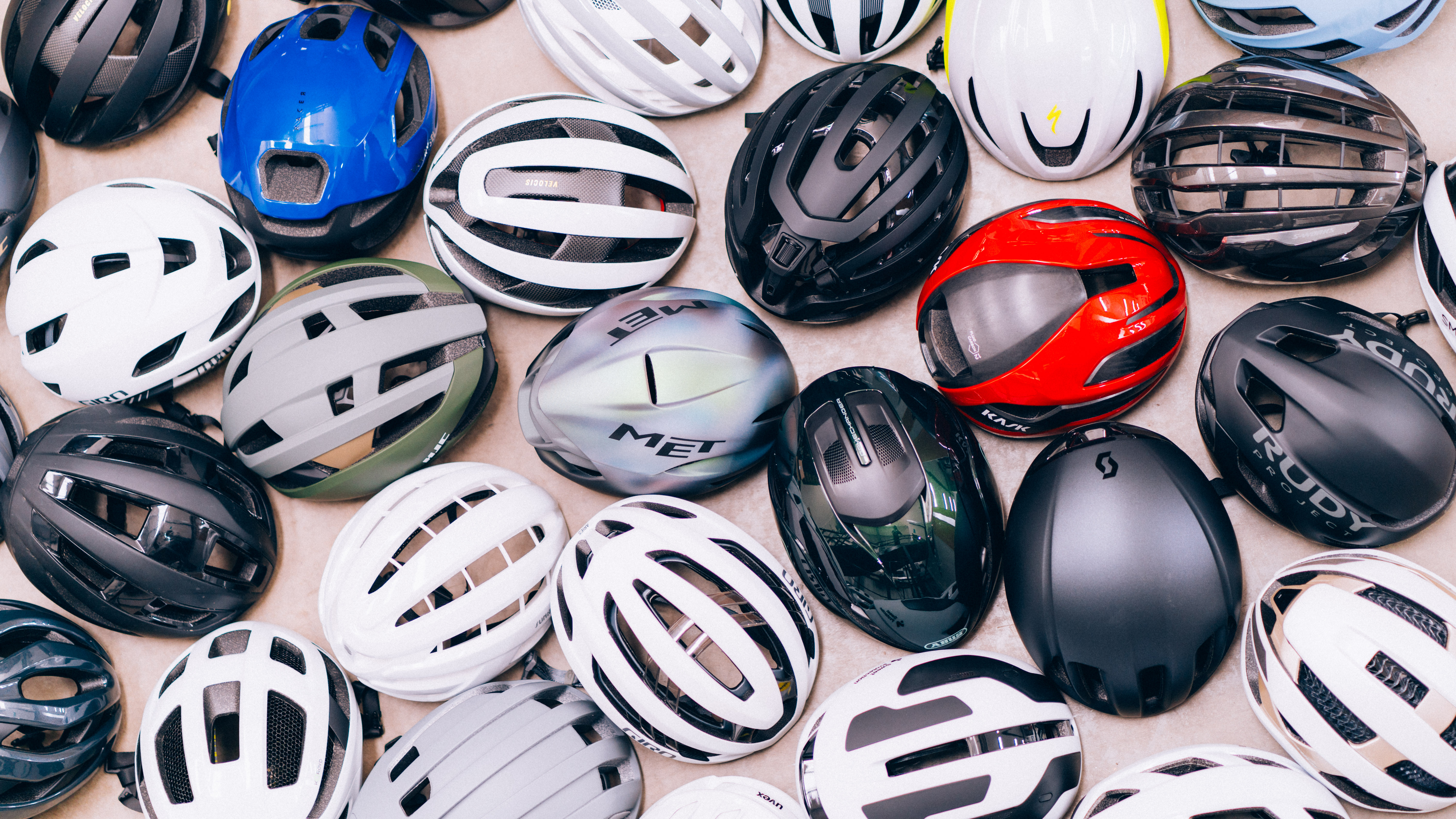
Best road bike helmets 2026: Top helmets reviewed by real riders
The best road bike helmets tested by experts, from inexpensive to premium, and advice on how to choose -
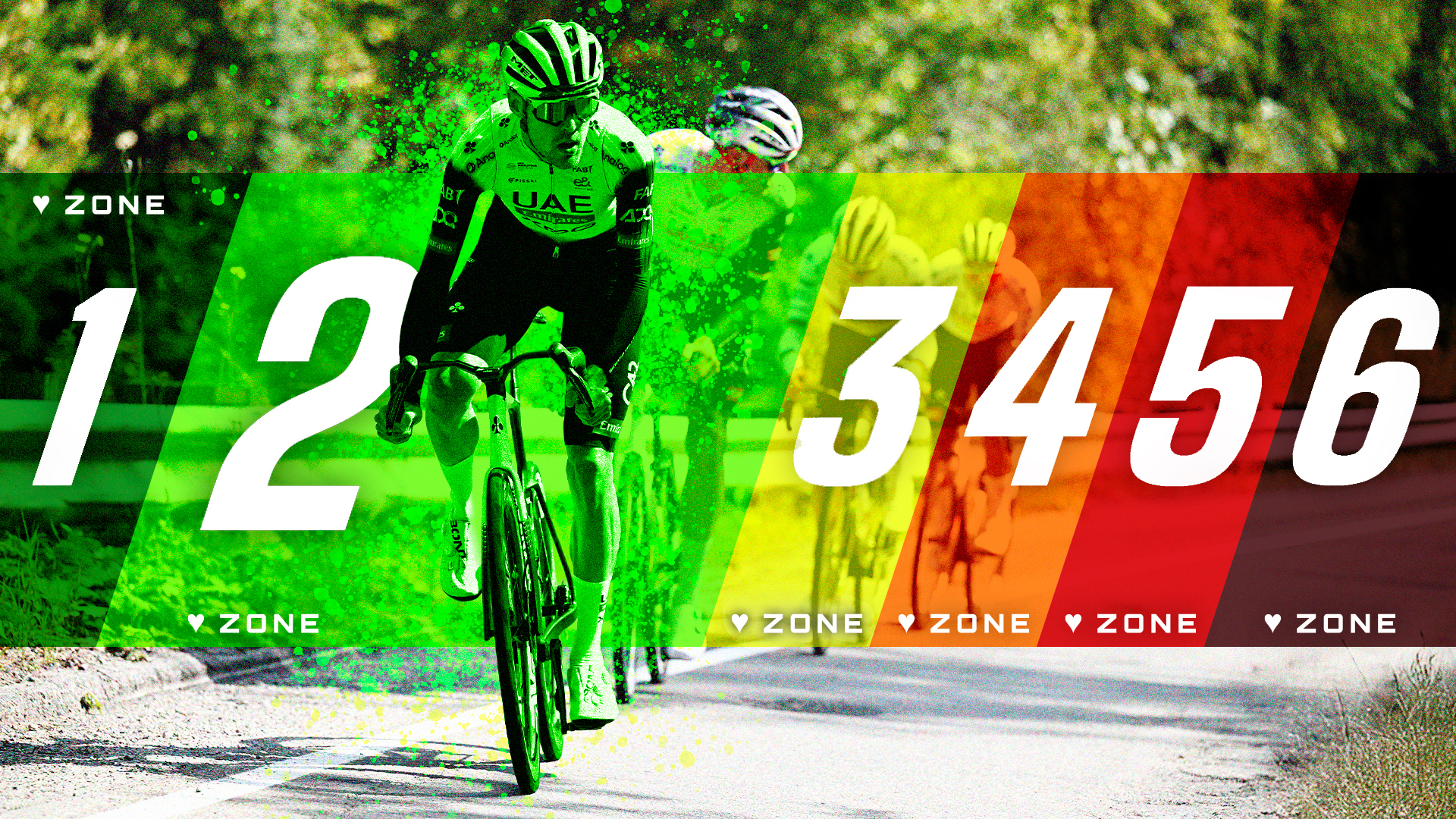
The magic zone – A deep dive into zone 2 and how taking it steady has become the WorldTour's go-to training strategy
Zone 2 training is one of cycling's many buzzwords, but what actually is it, and how have the pros turned an 'easy tempo all-day' training technique into a structured and potentially race-winning performance strategy? -
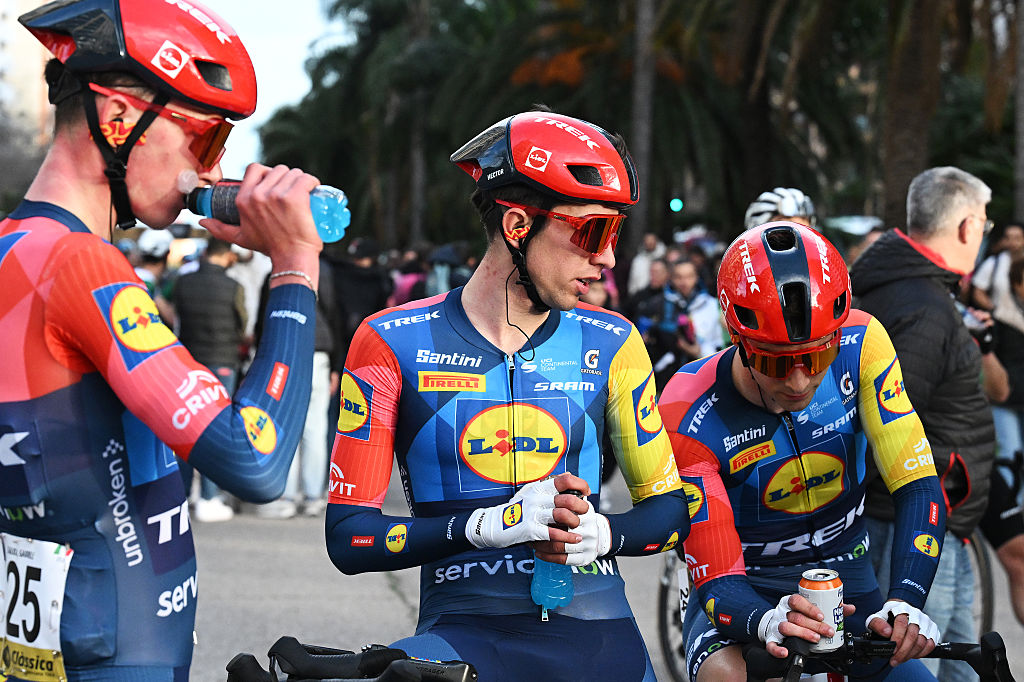
British rider among Lidl-Trek Junior Racing programme that aims to 'find and develop the very best junior talent'
Thirteen rider men's team including one Briton makes debut March 28-29 in France at Tour du Bocage et de l’Ernée 53 -
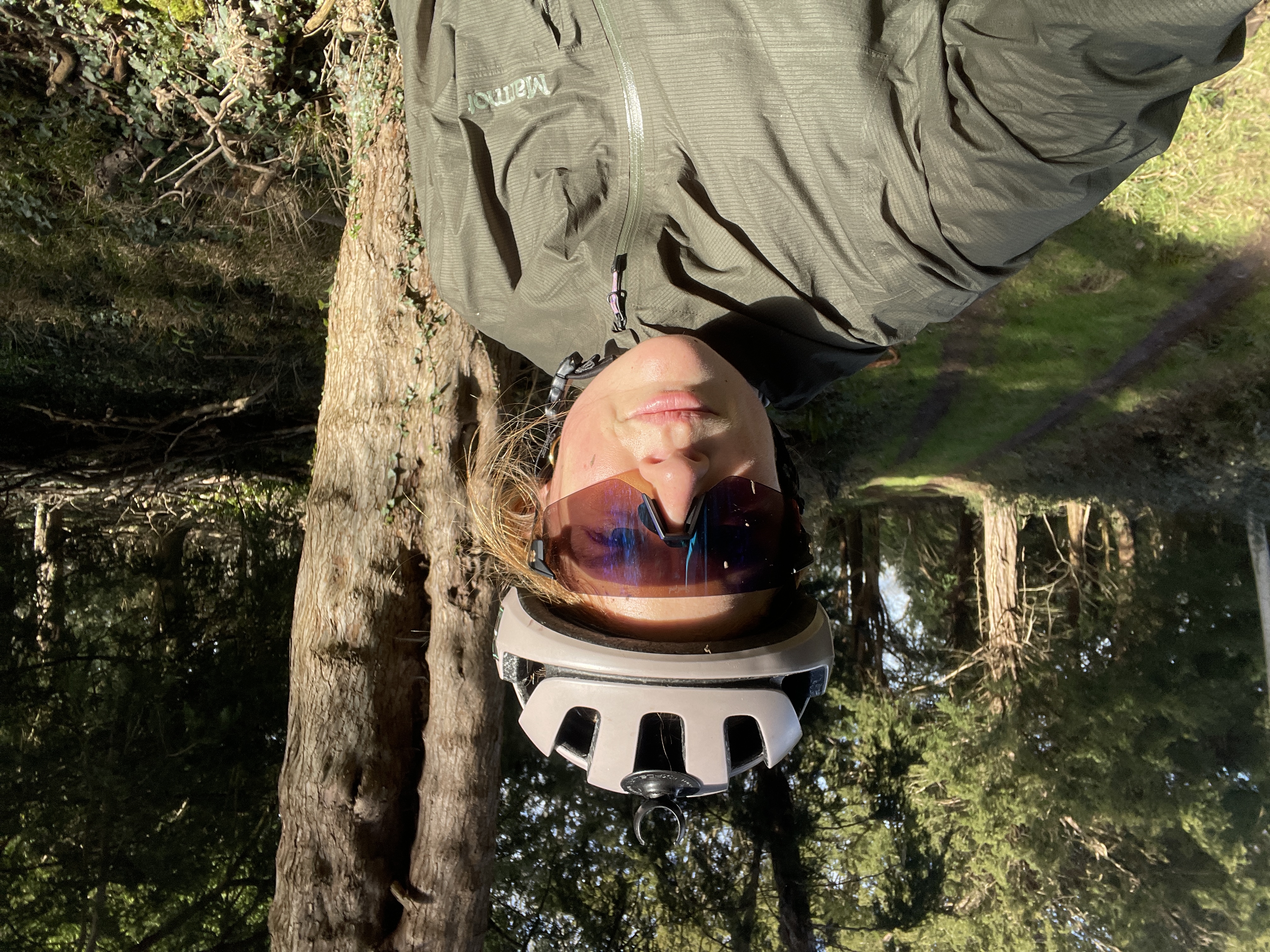
SunGod Airas Iris Photochromic glasses review: For when the weather can’t make up its mind
The SunGod Airas have all the right features for year-round protection in all various conditions, replacing the need for multiple pairs


