RCS have dubbed this a “queen stage in the Apennines.” Boasting more than 4,000 metres of vertical gain, it features two second-category and two first-category climbs, the finish sitting at the top of the one of cat 1 ascents after a final kilometre at 12 per cent. It is, in short, very likely to cause a shake-up in the general classification.
Stage 9 commences on the Abruzzo coast at San Salvo and tracks north alongside the Adriatic, then turns inland to reach the first intermediate sprint at Guardiagrele, the road starting to climb just before this point. After a short descent, the first of the quartet of big ascents is the Passo Lanciano, frequently a stepping stone to the famed Blockhaus summit, but not on this occasion. The gruppo will tackle it via its easiest flank, averaging just a tad under 7 per cent for 12.7 kilometres.
Get The Leadout Newsletter
The latest race content, interviews, features, reviews and expert buying guides, direct to your inbox!
The descent towards Scafa is fast and sometimes technical. At the foot of it, the riders will quickly be climbing again, the wearing-down process continuing on the 13.8km Passo San Leonardo, with its average gradient of 4.5 per cent. Beyond, the riders won’t lose a significant amount of height before they’re climbing again, this time to the second-category Bosco di Sant’Antonio.
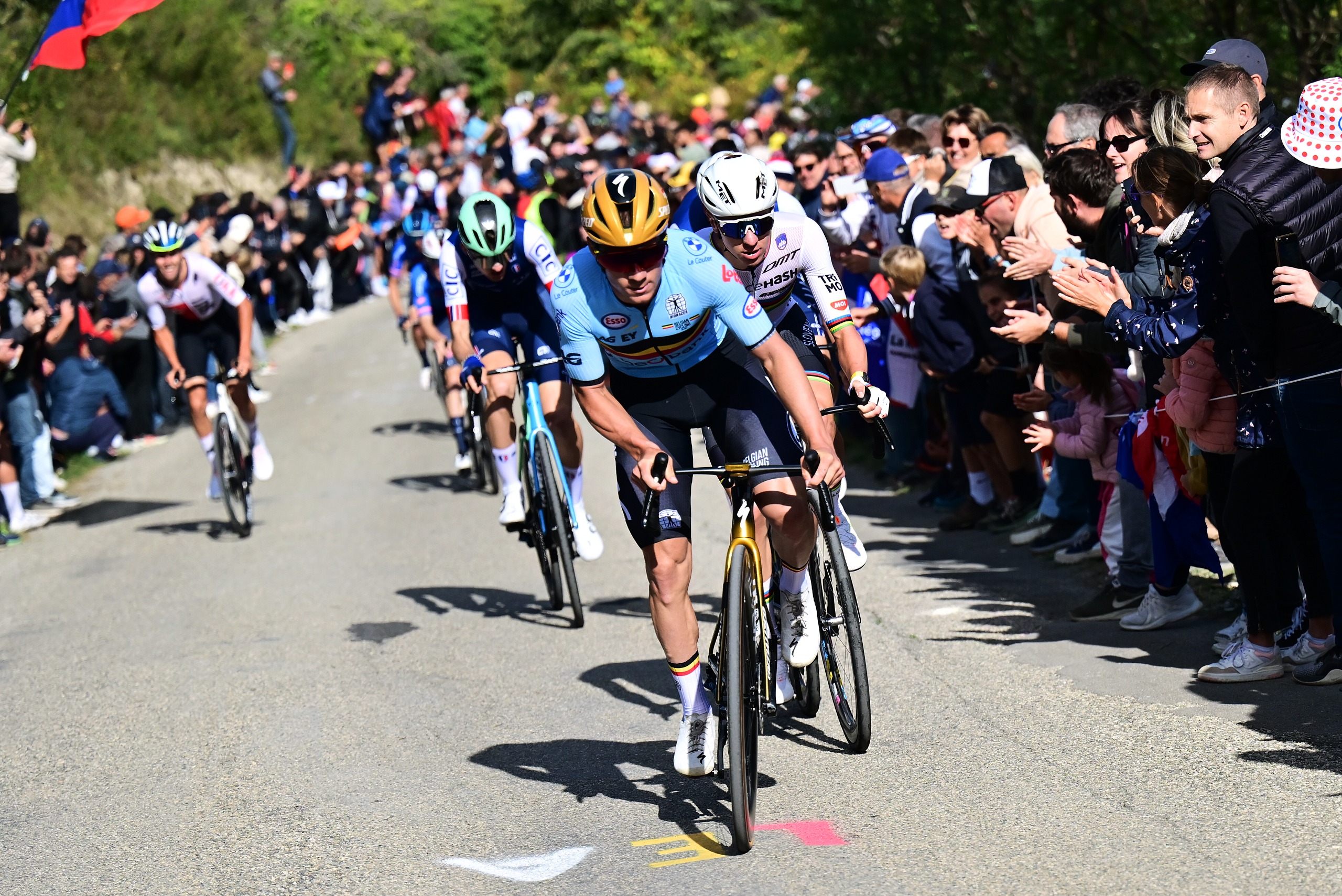
From this summit, there are 26 kilometres left to the finish. Initially, the terrain is rolling, until, with 10km remaining, the final climbing test begins. Its average gradient of 5.7 per cent is misleading as there’s a 2km section in the middle that’s slightly downhill. The last three reverse that trend and quite severely, the slope getting steadily steeper on the approach to the ski station of Aremogna above Roccaraso. The finale is a little higher than the finish where Tom Wellens soloed to victory in 2016. It’s the kind of finale where Simon Yates has flourished in the past, one that gives those explosive climbers a chance to create a gap, although the time differences between the favourites shouldn’t be substantial.