Cherbourg is hosting a post-war stage finish for only the second time but looking further back, this is a venerable Tour institution. The city was on the route of every Tour between 1911 and 1929 – one rider, Romain Bellenger, particularly liked the sea air, winning four times there in the 1920s.
Stage 2 starts in St-Lô, the capital of Manche, and ends in Cherbourg, its biggest city. It’s another south-to-north traverse of the département, with much the same unchallenging terrain. That is, until the finish, when the route ascends the cat 3 Glacerie climb, which, to paraphrase Hobbes, is nasty, brutish and short. It’s just under 2km long and includes half a kilometre at 14 per cent, though that doesn’t include the short descent and further 500m of climbing to the finish line. ASO describe it as “fearsome”, and for this early in the Tour, that’s probably not far off the truth.
That final climb is right in the overlap between two Venn diagram fields: hilly Classics specialists and yellow jersey contenders. This means the chances of a break sticking are slim, with many teams motivated to control the racing. The more Classics-oriented sprinters such as Peter Sagan and Michael Matthews might fancy their chances, though it’s a tough climb for them. Zdenek Štybar won on an easier but similar finish in Le Havre last year. Hilly Classics riders like Dan Martin and Julian Alaphilippe will be at home on the steeper part of the climb. And the yellow jersey contenders must also try to win here, as they did at the Mur de Huy and Mûr-de-Bretagne last year. Froome was the best of them on those two climbs and won overall. Could La Glacerie give us a similar indication of the final winner?
Daniel Mangeas: It’s much harder today, with a few more hills on the route, but the final climb is very difficult. I remember Charly Gaul [1955 Tour winner] was dropped on this very climb during the 1957 Tour, and abandoned the race just a few kilometres later. The peloton will have to manage the finish carefully - the candidates for the yellow jersey will be at the front, although it’s a puncheur’s finish, perhaps more favourable to a rider like Alejandro Valverde.



-
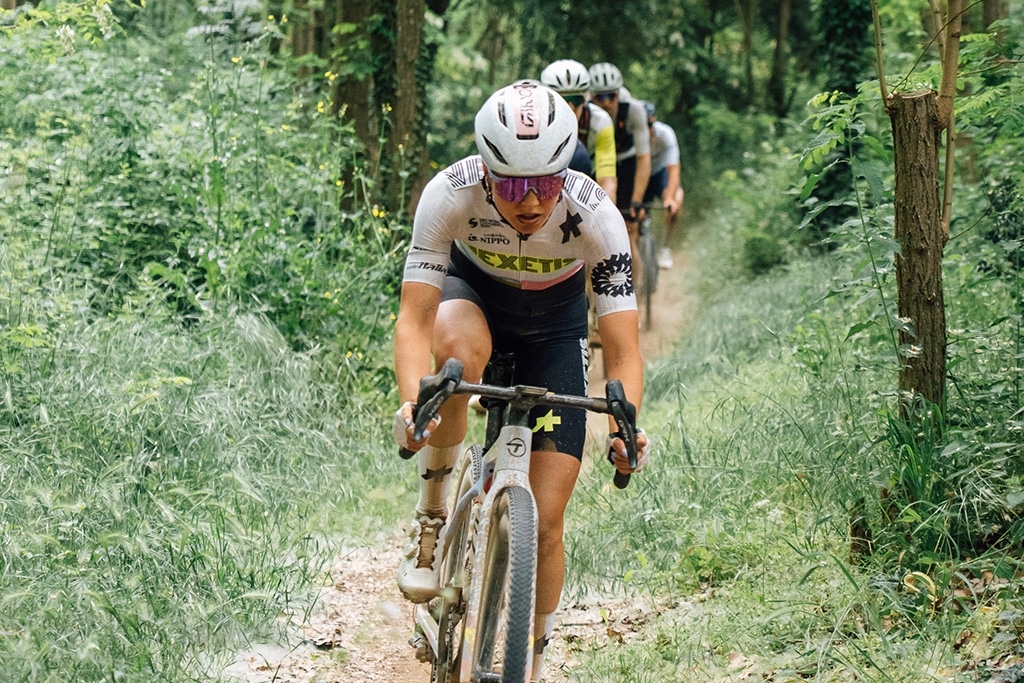
Ginia Caluori and Cat Ferguson earn top spots for women in gravel debuts at The Traka 100 while Matyáš Kopecký wins men's division from five-rider sprint
Fourth and final gravel race in Girona decided on Sunday -
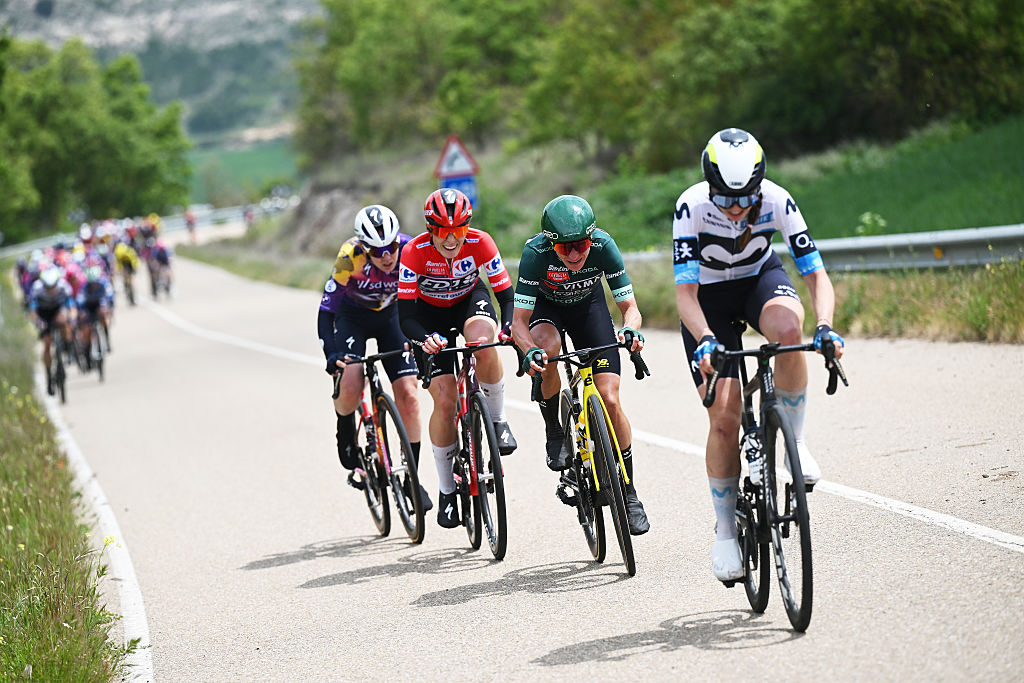
How to watch La Vuelta Femenina 2026 – TV coverage, live streams for the first women's Grand Tour of the season
All the broadcast information you need to follow the seven-day Spanish race, which began Sunday and heads for a hilly day on stage 2 -
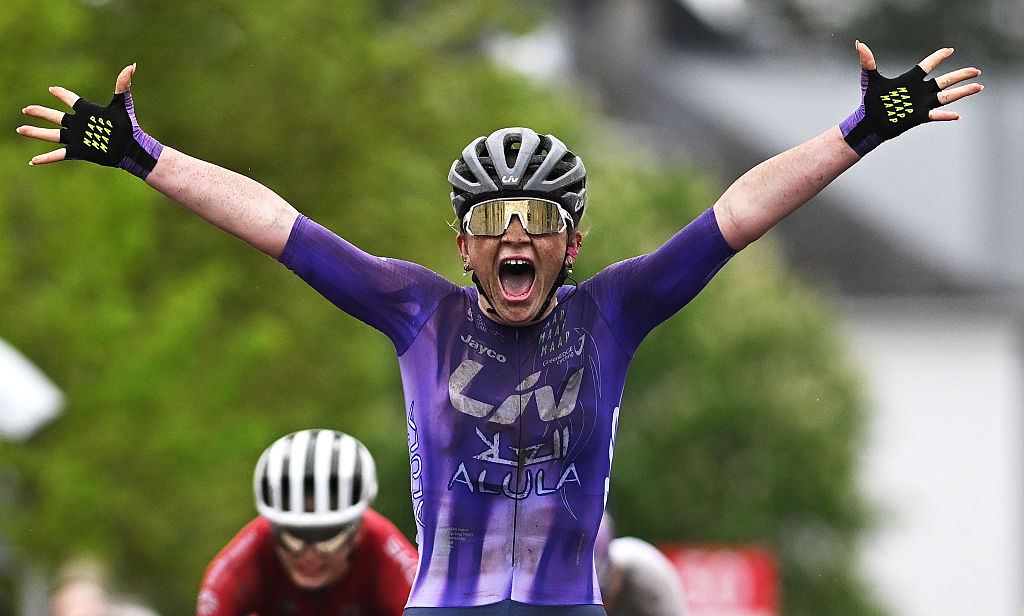
Festival Elsy Jacobs à Luxembourg: Electric sprint by Erin Boothman lands 19-year-old first career victory
Steffi Häberlin second and Nina Berton third from original breakaway group of eight -
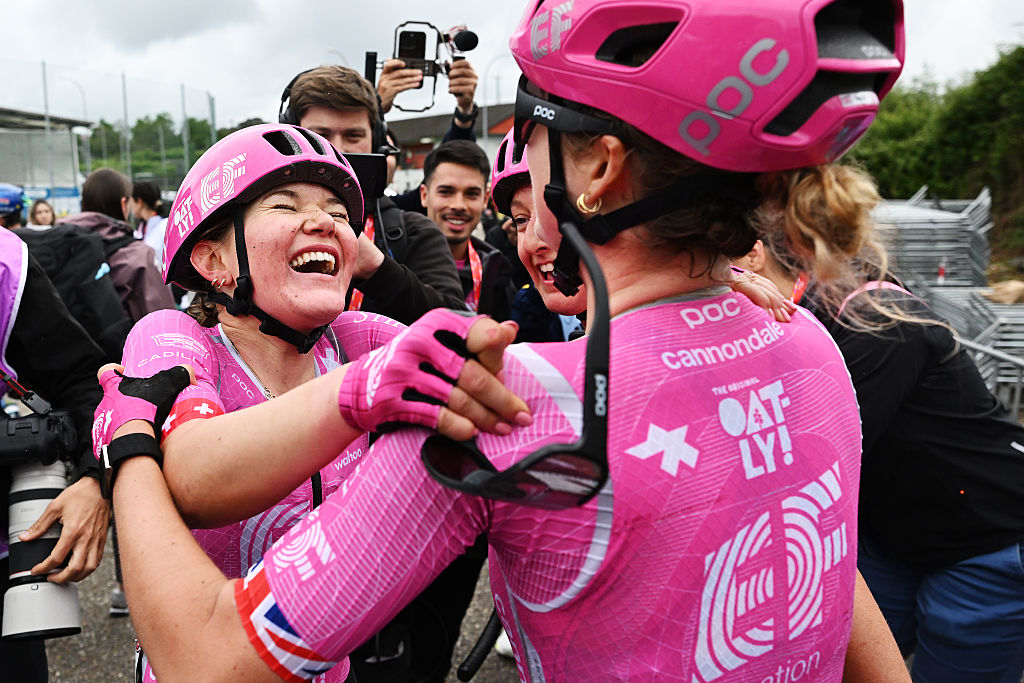
The rise of Rüegg: Why the Vuelta Femenina win is a breakthrough moment for the Swiss puncheur
'It's absolutely insane, I honestly can’t really believe it' says 25-year-old


