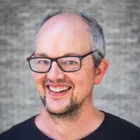
It's been five years since Mikel Landa last won a bike race, and 11 since he claimed his previous Grand Tour triumph in a stage of the Vuelta a España, but the Basque racer finally pulled off what had seemed to be Mission Impossible with a stunning solo victory on the 2026 Vuelta's toughest mountain stage.
Visibly emotional as he crossed the line alone and with a more than sufficient 47-second advantage over second-placed Tobias Johannessen (Uno X-Mobility), Landa continued to choke up with emotion during the press conference that followed.
The Soudal-QuickStep racer has had more than his fair share of crashes and injuries during his career, most recently in the Itzulia-Basque Country when he fractured his pelvis after being hit by a race organisation vehicle on a descent.
Latest Videos FromCyclingnews
That set him back weeks, if not months, and he came to the Vuelta a España saying he had never been so uncertain about whether he could race well; even earlier this week, he told one Spanish newspaper this had been the worst year of his career.
That suddenly changed completely when he managed to make it into the break of the day after a long chase through the mountains of Granada and then managed to drop the last remnants of a move dominated by Uno-X riders at the foot of the last climb of the stage, the Collado del Alguacil.
All that uncertainty melted away on the climb as Landa, one of the most popular racers in Spain, managed to keep Johannessen at a distance to clinch an enormous victory, just when it seemed least possible. Small wonder that the emotions came through so strongly, then, as Landa explained to the media why so many fans were pleased when he finally succeeded against all the odds
"Misfortunes create a lot of empathy," Landa said. "It's harder to feel such a high degree of empathy for somebody when they succeed all the time, like Tadej Pogačar, say. I'm like a lot of people in life in general, who have a lot of bad moments and only a few very good ones."
"I certainly had to fight for this victory a lot, because I had a lot of bad moments in the second week in particular, but I didn't want to go home without trying, and today I tried a lot harder.
"I'm generally a very optimistic person, I just needed a bit of help and I knew sooner or later it would come. I've had a lot of support throughout the year from my team" - which he will be leaving at the end of this season - "and I just kept on hoping."
Landa said he had been very cross with himself, too, for failing to make it into the key break of stage 19, so he had pushed himself hard to bridge across from a chase group of 50 to the front group of 14 halfway through stage 20.
It was a risky strategy, he said, and he tried to time his move so that he would be able to catch his breath after the second of the four major climbs of the day. Then after that, it was a question of staying close to the front and waiting to make his move.
"I was still doubting when I attacked about seven or eight kilometres from the top, and I thought that I wouldn't be able to go all the way to the line. But after that, the gap opened wider and wider, and I think all the energy I hadn't been able to use in the weeks beforehand, finally came through when it mattered the most," Landa said.
Whilst the support from his team was critical - and the huge hug he received from sports director Tom Steels halfway through his press conference was testament to how much it mattered to Soudal-QuickStep on all levels, too - Landa said he had been able to dig so deep on the final climb precisely because as this was the last high mountains stage, he knew it was his last chance to try for it. At the same time, he said, thinking about getting a win to dedicate to his children also inspired him to keep trying.
"This win wasn't just about Watts and power, it was also about experience and knowing when to go for it," he explained. "But most of all it was about motivation, and I was feeling very motivated to try for it."
For unbeatable coverage across road, gravel and tech, subscribe to Cyclingnews. You'll get comprehensive race coverage of La Vuelta a España, subscriber-exclusive analysis from our expert columnists, in-depth features and industry-leading tech insight. Plus, the Cyclingnews app lets you follow the action wherever you go! Join today.