Laghi says
The local riders will want to get in the break and you can be sure there’ll be big crowds. It won’t change the outcome of the stage though and the fastest man on the day will win.
On the surface these transition stages don’t make any difference, but that’s not to say they don’t matter. While they’re comparatively easy in themselves, there’s still a lot going on...
For the GC riders and their gregari it’s a question of expending as little energy as possible and of staying out of trouble. The interesting part is the sprint teams. They have a shared interest in making sure it comes in together, but how they achieve that depends on all sorts of factors. They need to bring the break back, but they want also to be fresh for the final 10km. Sprinting is a team game these days, so there’s a lot more to it that when we used to race.

Moment in time
The Giro has never really gone in for split stages. They’ve generally been the preserve of the Tour, particularly in the cash-strapped 1970s. From time to time, though, necessity (usually financial) has also been the mother of invention for the corsa rosa. In 1947, stage 5 had been split into two legs of 84 and 141 kilometres respectively and 13 years later Torriani would repeat the dose. The 1960 Giro would include two split stages, each a short crono followed by a flat road stage.
Stage 7a was a 5km time trial, much ado about very little. It was followed by lunch, then a breakneck 81km rush to Forlì. The peloton, well ahead of itself such was the ferocity of the racing, was obliged to wait at a closed level crossing, before hurtling once more towards the finish line. Gastone Nencini, winner of the 1957 Giro, took 500 metres on the climb to the Rocca delle Caminate, the mighty castle that had been one of Mussolini’s residences during the 1930s. They reeled him in, before local hero Baldini tried his hand on the fringes of town. But it was all for show – with the peloton swapping off at 50kph even the great passista Baldini stood no chance of staying away.
All of which led to one inevitable, though not particularly satisfactory, consequence. Italy had no world-class sprinter, but in Rik Van Looy and André Darrigade the stranieri (foreigners) had two. Van Looy won easily, as he would the following day.

-
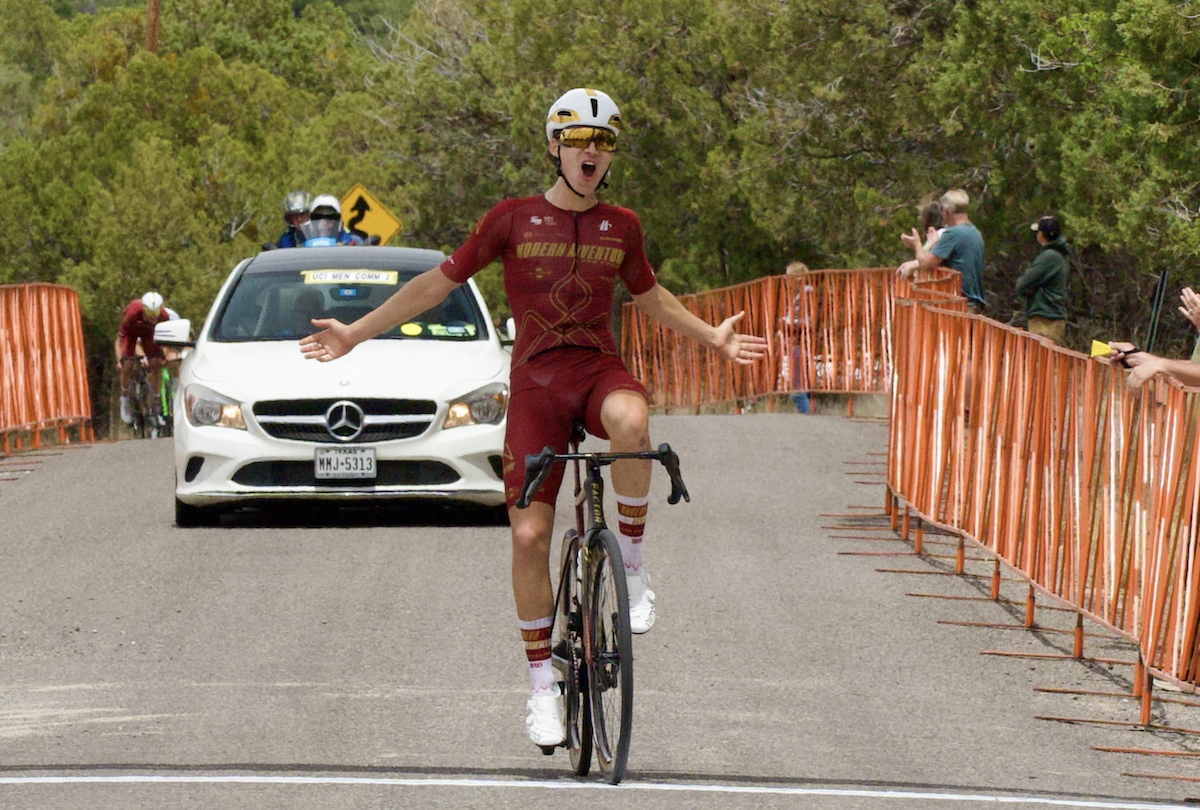
Tour of the Gila: Samuel Florez and Kylee Hanel win Gila Monster stage 5 finale
Henrique de Silva Avancini climbs to men's GC victory as Lauren Stephens dominates women's race to take overall for third consecutive year -
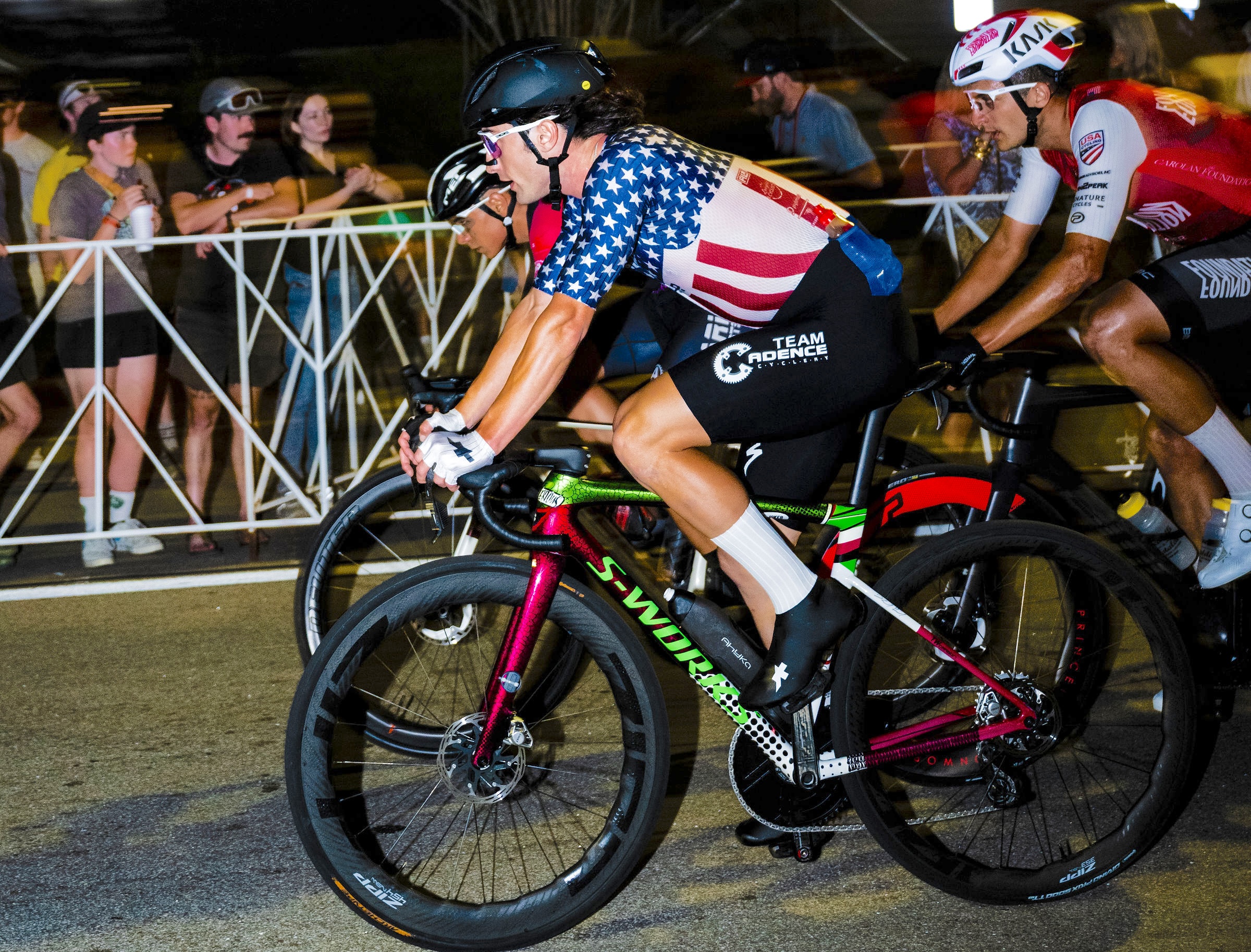
USA CRITS: Lucas Bourgoyne back in the winner's circle while Elizabeth Castaño makes a statement at High Line Criterium in Georgia
Overall series standing tighten with two races remaining -
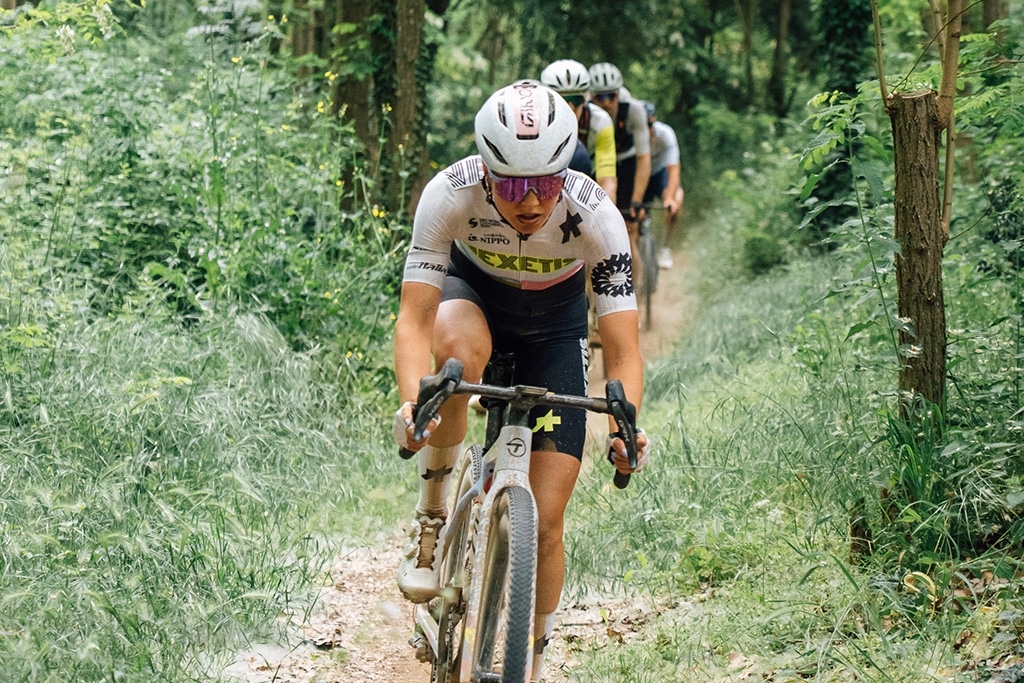
Ginia Caluori and Cat Ferguson earn top spots for women in gravel debuts at The Traka 100 while Matyáš Kopecký wins men's division from five-rider sprint
Fourth and final gravel race in Girona decided on Sunday -
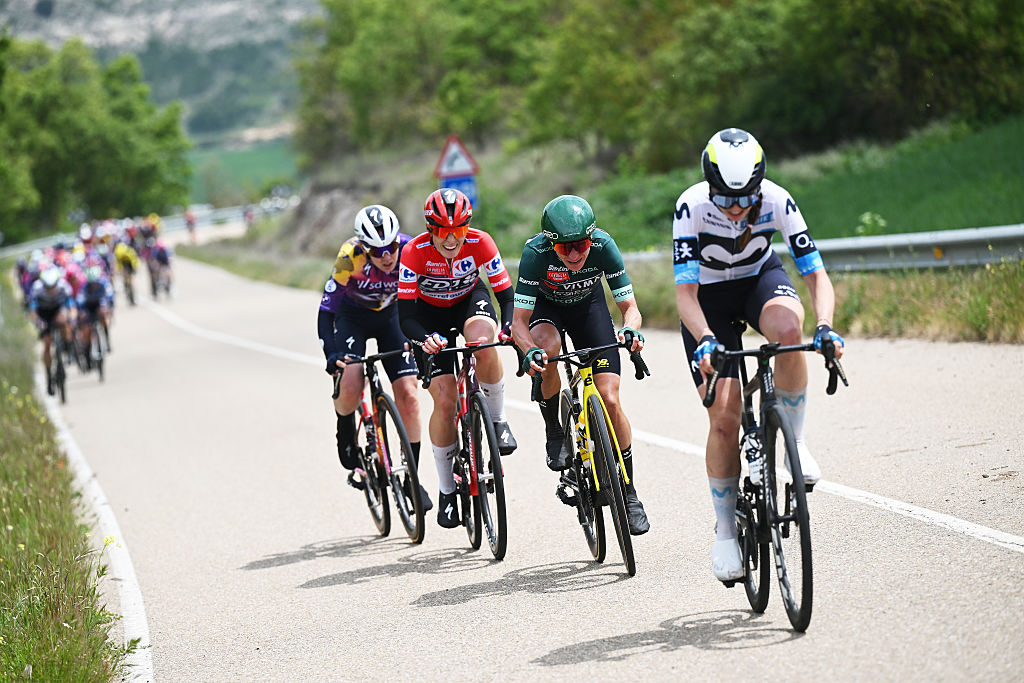
How to watch La Vuelta Femenina 2026 – TV coverage, live streams for the first women's Grand Tour of the season
All the broadcast information you need to follow the seven-day Spanish race, which began Sunday and heads for a hilly day on stage 2


