Telemetry boxes, years of recon and very complex math: Matt Beers explains how Specialized dominated Unbound 2026 with its new bike
New gravel bike claims 1st, 2nd, 3rd and 5th in men's Elite 200 mile race, as well as 1st and 2nd in the women's

Over the weekend in Emporia, Kansas, riders on the new Crux 5 from Specialized claimed the top three spots in the elite men's 200-mile race and the top two in the elite women's 200-mile race.
It marks an opening weekend of blockbuster proportions for a bike that launched to the public less than 48 hours before the race got underway.
Among the many steps along the way to this result was testing in the Flint Hills both in and out of competition.

Matt Beers, winner of four Cape Epics and now second at this year's Unbound was involved in both efforts. Early on in the process, Beers and 2021 Unbound winner Ian Boswell were recruited for some tests that pitted the previous Crux against one of Specialized's other gravel bikes, the Diverge STR, which features a small suspension device at the rear.
"We came out [to Emporia] in 2024," Beers told Cyclingnews. "We came out here and we tested the Crux versus the STR which has the rear compliance in the seatpost. And we tested that with a bunch of sensors on each bike doing recon. Ian Boswell and myself.”
This testing was followed up a year later with a sensor-equipped Diverge race bike that Beers rode in the 2025 edition of Unbound, where he gathered data about where and how the rough terrain of the Flint Hills was translating into fatigue for riders.
As the Crux evolved from a pure cyclo-cross machine to a gravel racer, it was crucial to know where comfort could be gained without sacrificing stiffness and power transfer.
The latest race content, interviews, features, reviews and expert buying guides, direct to your inbox!
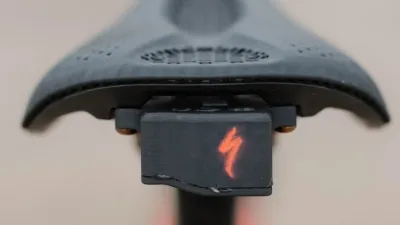
“We had a little black box on the saddle that took data from the race. I raced with that. The more vibrations that go through you, the more fatigue, so trying to figure that out and trying to eliminate that."
According to the brand, this is part of its 'Equation of Speed', which essentially aims to replicate Formula 1's lap times technology and measure everything between the power in at the pedals and how that translates to speed. This involves the well-known metrics like aerodynamics, rolling resistance and gravity, but also factors in frame responsiveness, tyre traction, course profile, course surface roughness, weather, rider fatigue, rider habits and so on. These are all measured, quantified, and input into an algorithm - built in-house at Specialized by former F1 engineer Marcel Keyser - which then runs simulations and calculates finish times. By iterating on bike design - adding extra stiffness here or more compliance there - the algorithm can calculate how that affects a rider's speed.

"Obviously, we've had the Crux, we've had the Diverge, the Diverge STR, and we've collected data through all those bikes. That had an effect on development on this bike, trying to make one that can kind of tick all those boxes and be super fast, and I think that was the main goal of this bike, was just to kind of make it as compliant, but very fast and super stiff all in the right places.”
As a taller rider, Beers, and his teammate Geerike Schreurs have found the new Crux design to be especially adapted to their needs.
"I think the head tube is always quite important. Mine is very long, and you can feel quite a lot of flex through it sometimes. But also just the overall fit of the bike. I think Gee will also know, the bike fits really well for a tall person.”
This is down to Specialized's Rider First Engineering principle, which promises the same ride quality for every rider, regardless of their frame size.
Schreurs agreed. “It fits perfectly for tall people. It's kind of built for me, I think."

You must confirm your public display name before commenting
Please logout and then login again, you will then be prompted to enter your display name.
