LOCAL HERO
Today the Giro heads inland to Basilicata. Historically one of Italy's poorest regions, it's always been light on commercial and sporting success. Finally, however, its cycling fans have something – or someone – to cheer about.
Little Domenico Pozzovivo's is a story of triumph over adversity. He gave up cycling when it became apparent there was no way forward in his homeland. He took up football instead, but cycling had him in its spell. He moved north to Piedmont in the hope of getting ahead, and his audacious climbing has been a feature ever since.
They're immensely proud of him in Basilicata, and with good reason. Aside from having won a cracking stage at the 2012 Giro he's intelligent, polite and urbane; a really good ambassador for his region. Today the stage will roll straight through Montalbano Jonico, his home town. Chances are the gruppo will allow him to ride ahead alone, and he's sure of a hero's welcome. Then he'll settle back and wait for the big mountains of the north.

SEE, HEAR, FEEL...
At first glance Viggiano, a comune of 3000 or so just south of Potenza, appears an odd choice for a Giro stage finish. Like much of the area it was decimated by outward migration in the 50s and 60s, and it's hardly a hotbed of sporting heritage. Look closer though, and the bigger picture starts to emerge.
The Giro's presence is in large measure an attempt to draw attention the region. Nearby Matera, famed for the Sassi cave dwellings, has a bid in to become European City of Culture in 2019, and Basilicata is throwing open its doors to the world. The Giro stage is therefore important strategically because it's a clear sign that the area is ready to welcome all-comers. They reckon both tourists and the business community will be pleasantly surprised by what lies in store, and they're not wrong. Basilicata truly is Italy's undiscovered jewel.
The same could be said for Vittorio Adorni in 1965. At the outset he'd been second favourite behind Italo Zilioli, but on stage six to Potenza he produced an astounding show of force. Runner-up Franco Bitossi lost almost three minutes, Zilioli over four. Thereafter Adorni was so majestic that he won the Giro by 11 minutes. It was the best display since Coppi's 1953 masterpiece, but it was hardly edge-of-the-seat stuff.
SCINTO SAYS
The Giro starts to ask questions of them today, though it's quite a difficult stage to call. The maglia rosa contenders will hope that the break goes early, that it's got decent riders in it, and that there are enough of them for it to stay away. It's good for them if it does – albeit not by too much – because they don't want to race unless there absolutely forced to. At this point they're concerned with spending as little energy as they can, and about looking after their gregari as much as possible.


-
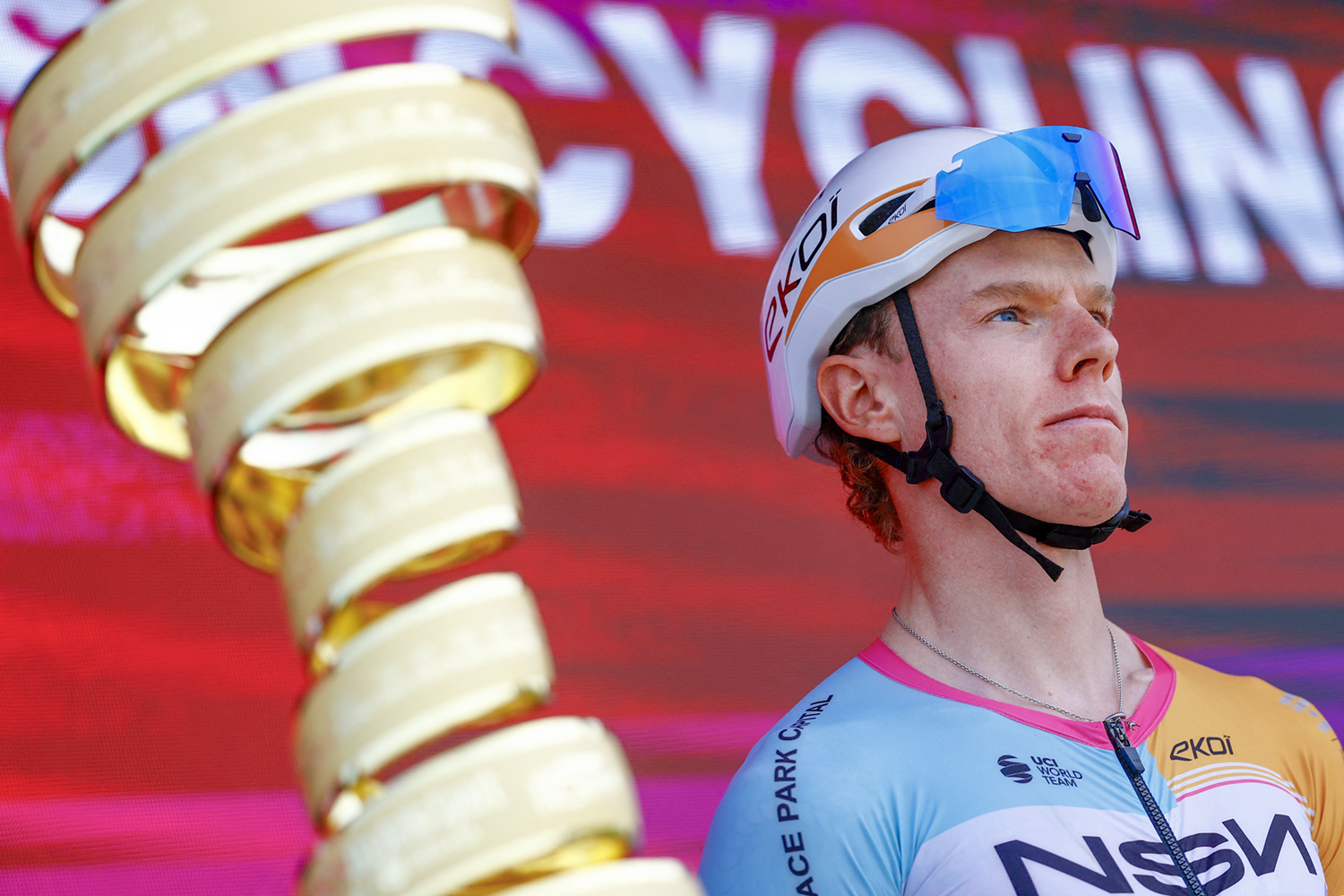
'Crashing at 75kph, you're never going to walk away unscathed' – Jake Stewart and NSN's Giro d'Italia sprint dreams not derailed by injury setbacks
Spanish-backed team's double sprinter approach gives them options to target wins on all transition stages in Italy -
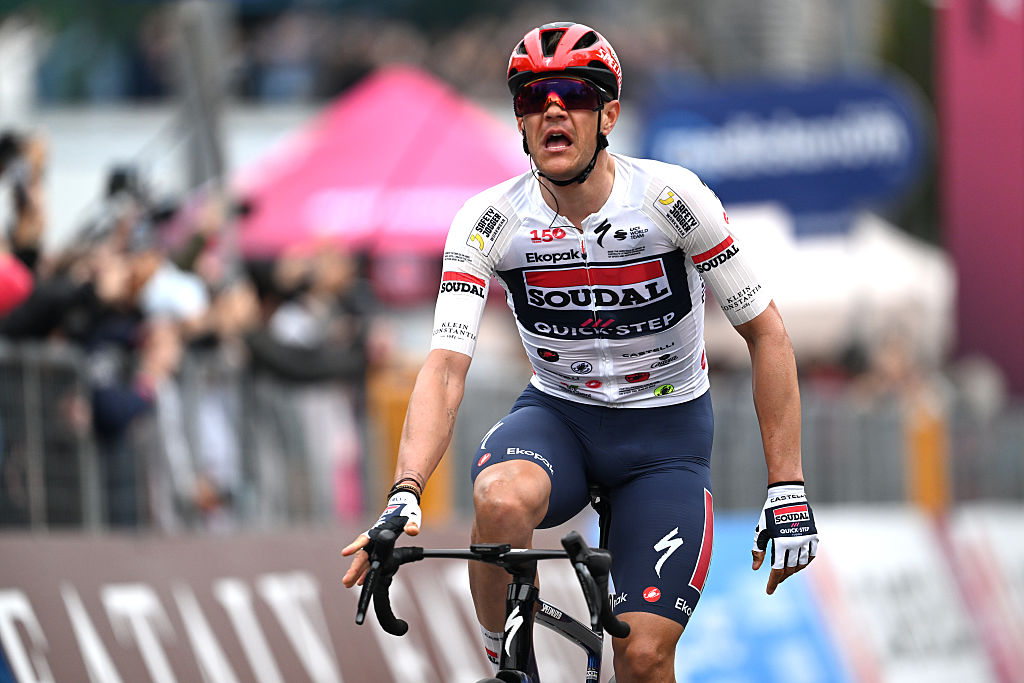
'If it rains, it's not going to be funny' – Jasper Stuyven warns of potential danger of cobbled sprint finish in Naples at Giro d'Italia
Belgian says 'it might be chaos' with Piazza del Plebiscito finale, 'but I think that's the same every time you arrive in a big city' -
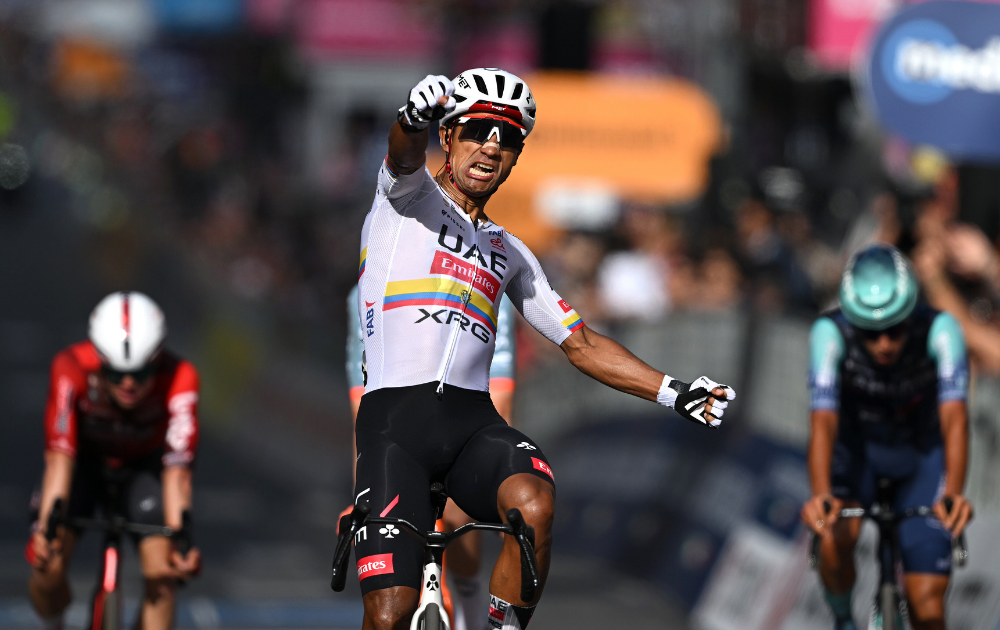
How to watch Giro d'Italia 2026 – Free live streams, TV channels, Schedule, Stage 6
All the broadcast information for the Giro d'Italia as Stage 6 takes us from Paestum to Napoli -
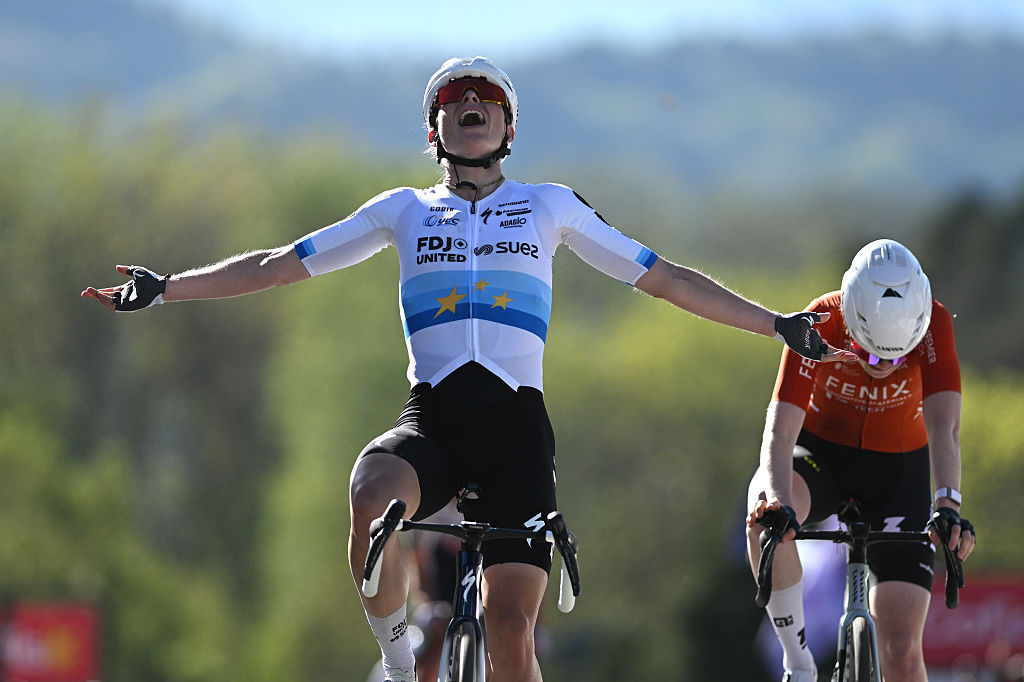
Women's WorldTour – The definitive guide for 2026
Everything you need to know about the top-tier professional racing series, teams, races and world ranking


