Laghi says
A lot depends on the individual rider on days like these. I didn’t really like them because most of my teams didn’t have a sprinter and the group generally stayed together. There was no such thing as a sprint train back then and at most the sprinters had one guy who would lead them out. So in effect gregari like me were just riding our bikes from one place to another.
In some respects days like these are contrary to a professional cyclist’s mentality. Cyclists need to race and their bodies need to become accustomed to racing. I’ll give you an example. At the 1971 Giro we did 3,600km with no rest day and that was an extremely mountainous Giro. The first few days were hard, but I always felt better as we got further into the race. We finished in Milan on 10 June and started the Tour de Suisse in Zurich the following morning. So it was 32 days solid racing and as far as I know that’s still a record…

Moment in time
When the Giro includes a stage finish at Jesolo, on the Venetian Riviera, there’s one inevitable consequence. So it was in 1970, in 1987 and 1988, and so it will be in 2015. Two words: bunch sprint. So it was, also, in the great Giro of 1955.
That edition is remembered principally for two reasons. By now it was common knowledge that the use of the euphemistically named ‘bomba’ (a mix of caffeine, cola and amphetamine pills) was an accepted practice within the gruppo and it predicated a shortening of the stages. Most famous, however, is Fausto Coppi and Fiorenzo Magni’s 11th hour mugging of poor, gullible Gastone Nencini. He had the pink jersey headed into the final stage, but the old lions isolated him on the road to San Pellegrino and then, when he punctured, rode a two-up time trial to deprive him of victory. It was Magni’s third Giro, and Coppi’s swansong.
Before that, however, Rino Benedetti had won by the seaside. In the absence of the big foreign sprinters, the blonde Tuscan was the fastest man in the race. He’d won in Perugia and accomplished it again here without particular to-do. Benedetti was by no means a great sprinter but that’s not the issue. What’s significant is the way he won, because it heralded the beginning of what would develop into the sprint trains we see today. Benedetti wasn’t led out as such, but he was certainly led into the gallop by the shoulder-barging heavyweights of his Leo team.

-
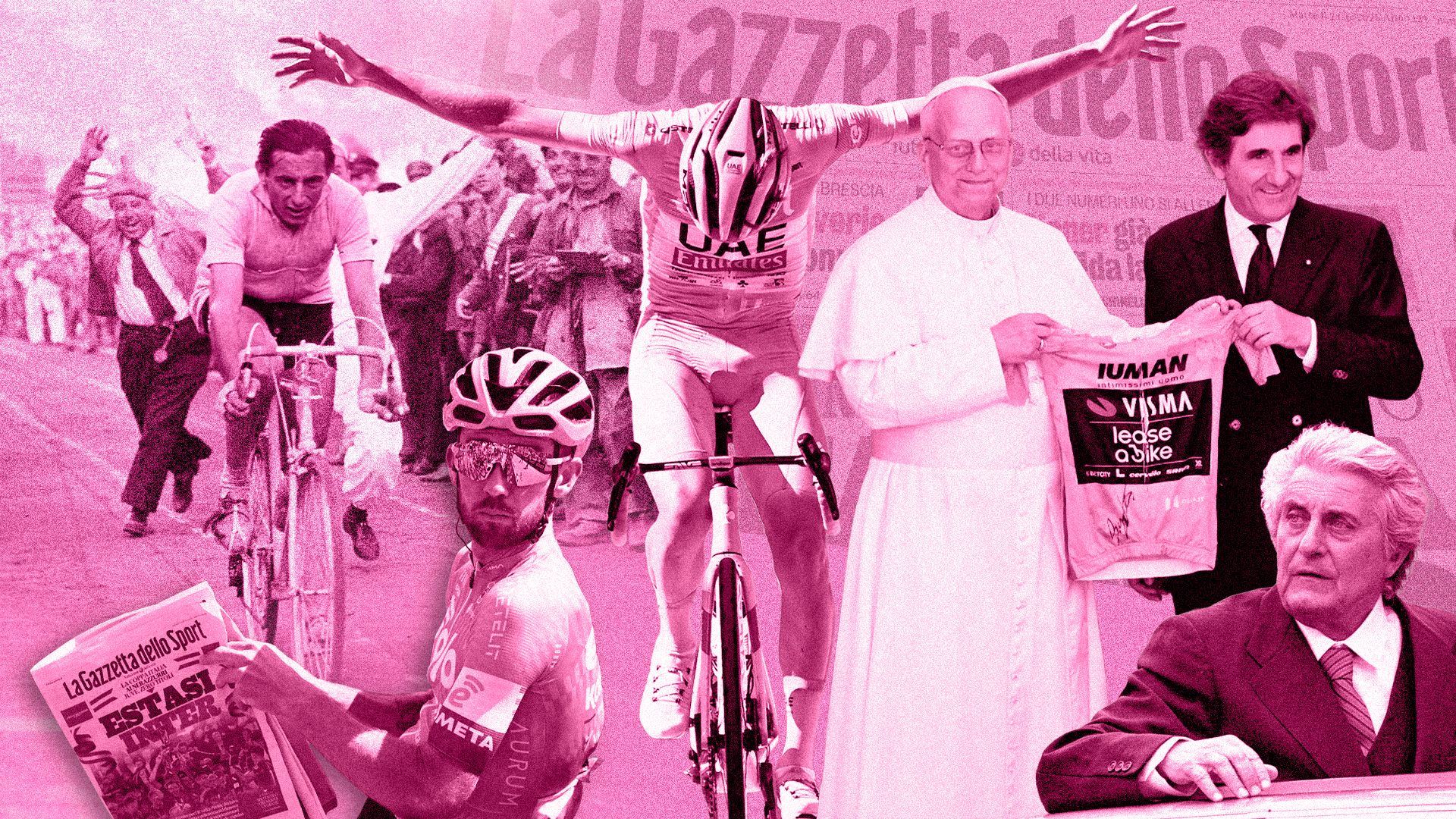
Legendary duels, left-field business moves, and the role of La Gazzetta: How RCS turned the Giro d'Italia into a national treasure, and a billion Euro event
When the Corsa Rosa is on, it 'has the power to transform every day into a Sunday' for the Italian people, but how did a race launched to promote a newspaper become a global sporting event? -
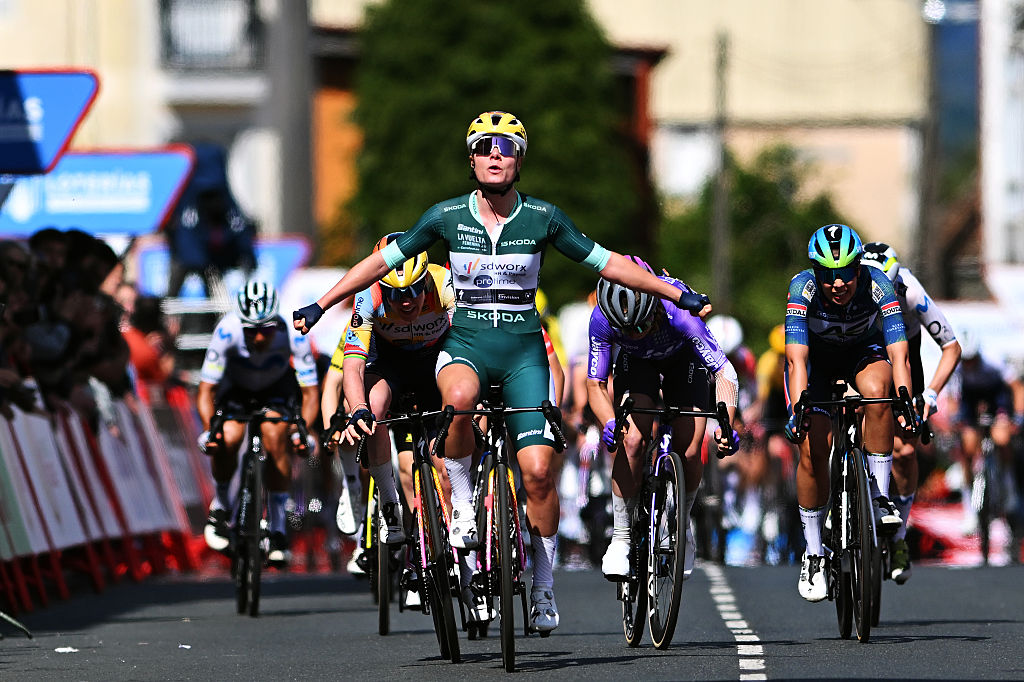
As it happened: Breakaway hearts broken as the sprinters take stage 4 of La Vuelta Femenina
As the race heads toward the mountains, stage 4 brings the field a 115km race that begins in Monforte de Lemos -
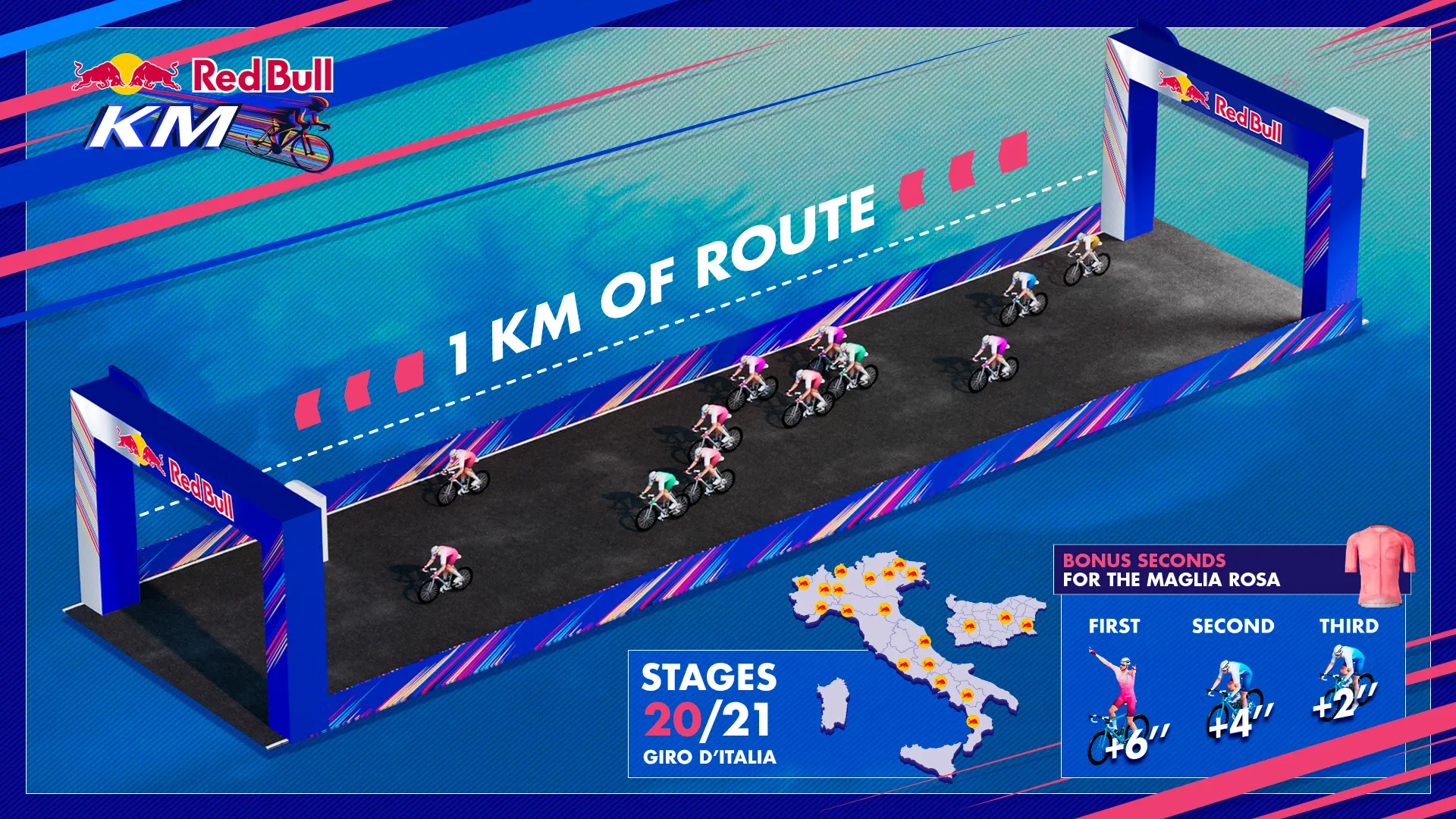
Red Bull Kilometre sprints and stage finishes offer precious time bonuses during 2026 Giro d'Italia
Six, four and two second time bonuses positioned close to finished and final climbs, with €130,000 in extra prize money -
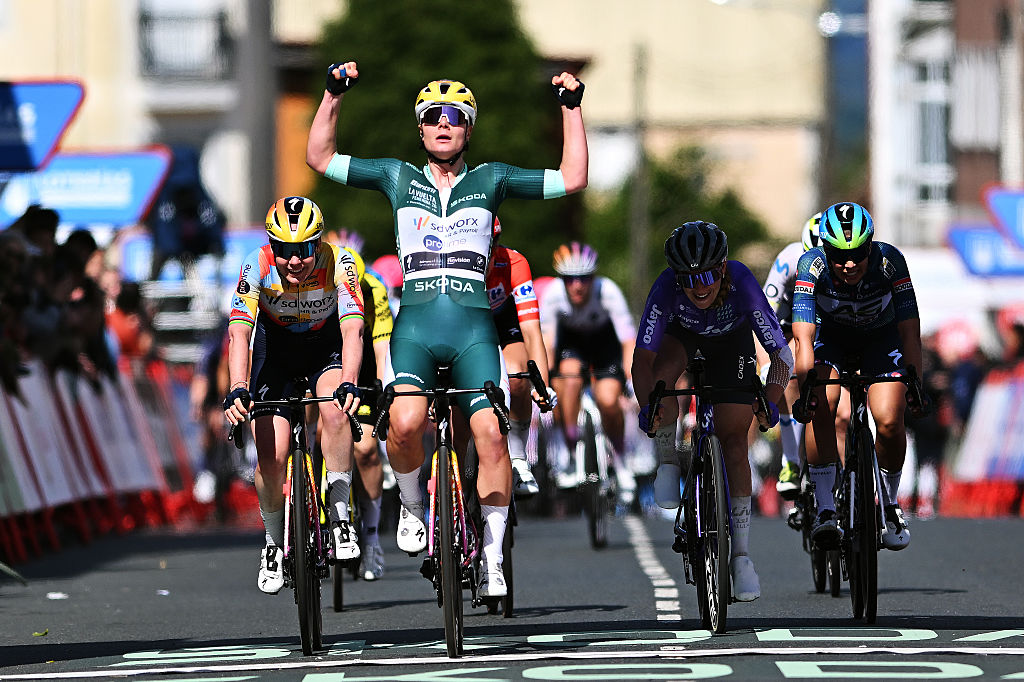
Vuelta Femenina: Lotte Kopecky wins hectic stage 4 sprint and uses bonus points to claim red leader's jersey
Anna van der Breggen second for SD Worx-Protime one-two finish in Antas de Ulla


